What Is Specialist Disability Accommodation (SDA) in Melbourne? A Complete Guide
Updated: Feb 14
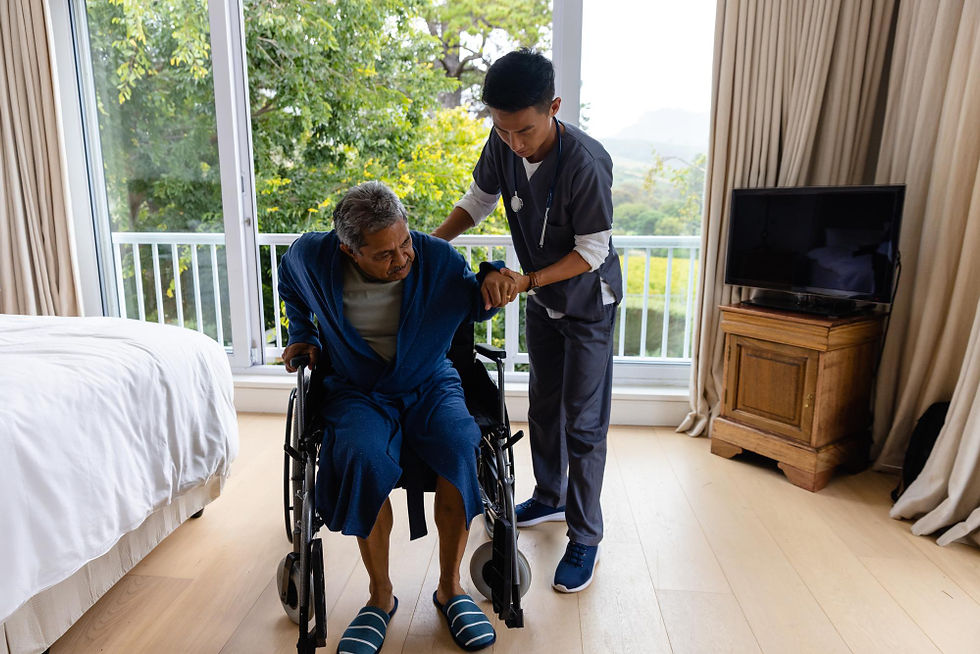
Finding the right home is important for everyone. For people with high support needs, the right home can improve daily life, increase safety, and support greater independence. A well-designed living space can reduce risks, support mobility, and help people feel comfortable and secure in their own environment.
This guide explains SDA in simple terms and focuses on specialist disability accommodation Melbourne under the NDIS. It is written for participants, families, and carers who want clear, easy-to-understand information. The aim is to help readers understand how SDA works, who it is for, and how it can support long-term, independent living without complex language or confusion.
What Is Specialist Disability Accommodation (SDA)?
Specialist Disability Accommodation, often called SDA, is housing made for people with very high support needs. These homes are built to help people live safely, comfortably, and with more independence.
SDA is funded by the National Disability Insurance Scheme (NDIS). It covers the home itself, not the daily care or support workers.
Who Is SDA For?
SDA is for a small number of NDIS participants who:
Have extreme functional impairment
Have very high support needs
Need special housing to stay safe and independent
Not everyone on the NDIS will qualify. SDA is for people who truly need purpose-built housing.
How SDA Works Under the NDIS
The NDIS looks at a person’s needs before approving SDA funding. The funding helps pay for the cost of the special home, not personal care or supports.
What SDA Funding Covers
SDA funding may cover:
Special design features
Stronger building materials
Extra space for equipment
Safety and access features
Daily supports, such as personal care, transport, or cleaning, are funded separately.
SDA Design Categories Explained
SDA homes follow strict design rules. These rules make sure homes are safe and useful.
Improved Liveability
These homes help people with sensory or cognitive needs. They use:
Better lighting
Clear layouts
Reduced noise
Fully Accessible
These homes suit people who use wheelchairs. They include:
Wide doorways
Step-free entry
Accessible bathrooms and kitchens
High Physical Support
These homes are for people with very high physical needs. They may include:
Ceiling hoists
Emergency power backup
Smart home technology
Robust Housing
These homes are built stronger for people who may damage standard housing. They focus on safety and long-term use.
Why SDA Is Important for People With Disabilities
SDA is not just about housing. It helps improve quality of life.
Better Safety
Purpose-built homes reduce risks such as falls, injuries, and emergencies.
More Independence
People can move around more easily and do more tasks on their own.
Long-Term Stability
SDA gives people a home they can stay in for many years, not temporary housing.
SDA Living Options in Melbourne
Participants can choose how and where they live.
Shared Living
Some people live with others in shared homes. Each person has their own room, with shared common areas.
Individual Living
Others choose to live alone with support coming in when needed.
Location Choice
Homes may be close to:
Shops
Medical services
Public transport
Community activities
This helps people stay connected and involved.
How to Know If You Are Eligible for SDA
Eligibility is decided by the NDIS, not the housing provider.
You may be eligible if:
You need housing designed for safety
Your current home cannot be modified
Your support needs are very high
Reports from therapists and doctors are usually required.
The Role of SDA Providers
SDA providers build and manage these special homes. They must follow NDIS rules and quality standards.
A good provider will:
Maintain the property
Keep the home safe
Respect participant choice
Choosing the right provider makes a big difference.
How SDA Supports Daily Living
SDA homes are designed to work with supports, not replace them.
In a specialist disability accommodation setting, homes are built to make daily tasks easier. Simple changes in layout and design can help people move, rest, and live more comfortably.
Technology, space, and safety features all work together to support daily life.
SDA and Independent Living
Many people worry that SDA means losing control. In reality, SDA supports choice and independence.
A well-designed specialist disability accommodation home helps people:
Make daily decisions
Live with dignity
Feel secure in their own space
Participants still choose their supports, routines, and lifestyle.
SDA for Families and Carers
SDA can reduce stress for families and carers.
Knowing a loved one is living in safe, suitable housing gives peace of mind. A properly designed specialist disability accommodation home also reduces physical strain on carers.
This support helps everyone plan for the future with confidence.
Common Myths About SDA
“SDA Is Like a Nursing Home”
This is not true. SDA homes are modern, private, and focused on independence.
“You Lose Control Over Your Life”
Participants still make choices about where and how they live.
“Anyone on NDIS Can Get SDA”
Only people with very high needs are eligible.
Choosing the Right SDA in Melbourne
When choosing SDA, it is important to look at:
Design category
Location
Support compatibility
Long-term needs
Take time to ask questions and explore options.
Final Thoughts
Specialist Disability Accommodation helps people with high support needs live safer, better lives. It provides purpose-built housing that supports independence, comfort, and long-term stability.
If you or your family are exploring specialist disability accommodation in Melbourne, working with an experienced provider can make the process smoother and less stressful. MKS Disability Services is committed to supporting participants with safe, high-quality housing solutions designed around real needs.


Comments